
7 Signs Your Shower Is Leaking Behind the Wall (and What to Do Next)
A shower leak almost never announces itself. Water gets behind the wall or under the tub a little at a time, every time someone showers. By the time you see a problem, it has usually been going on for months.
We replace tubs and showers across Carbon, Monroe, and Northampton counties. On about 1 in 4 older showers we tear out, we find hidden water damage: mold on the studs, rotted subfloor, or soft joists under the tub. Almost every one of those homeowners told us the same thing: "I had no idea."
Here are the warning signs to watch for, starting with the one people ignore most.
1. Cracked, missing, or crumbling grout
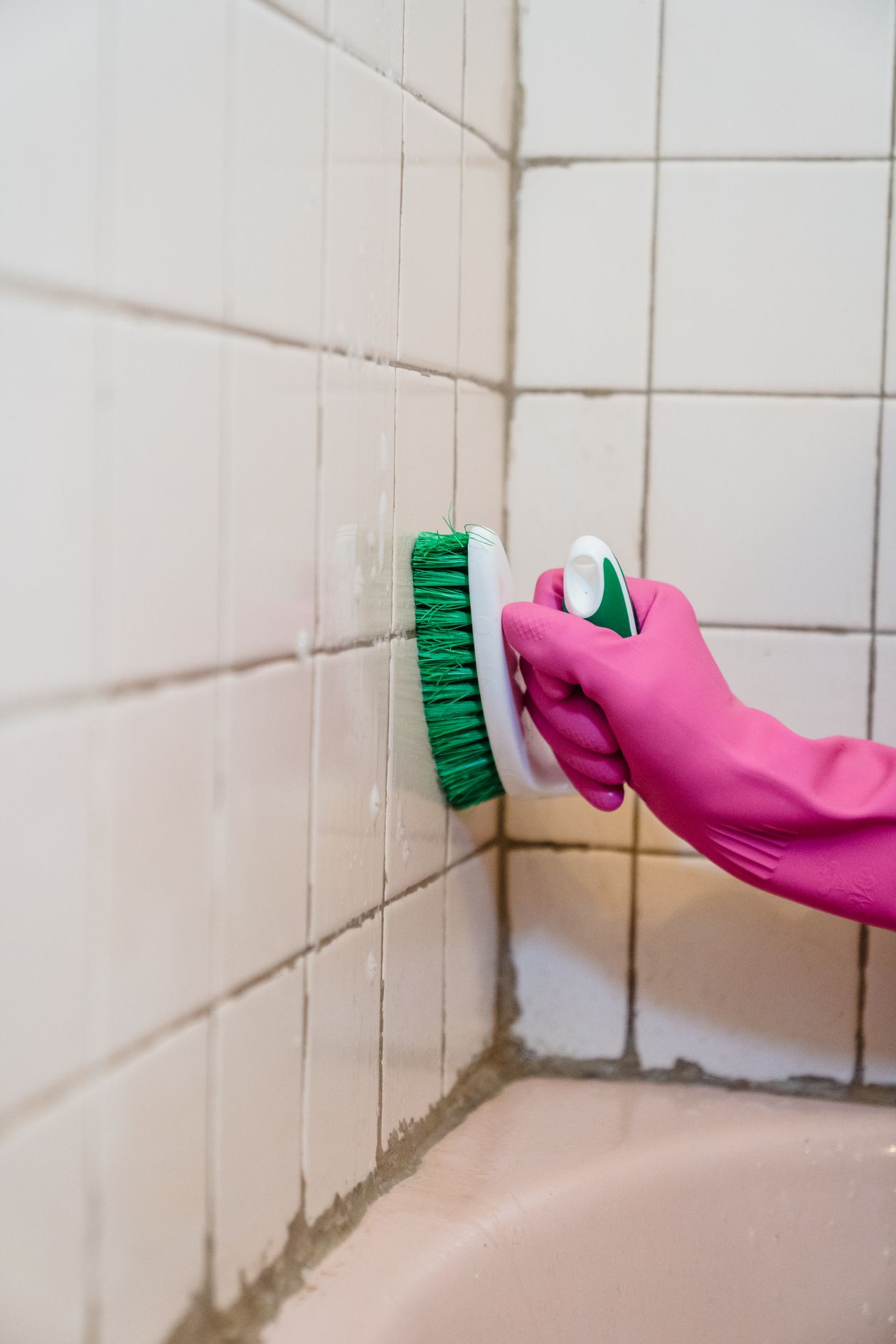
This is the number one sign homeowners brush off. Grout looks like a cosmetic problem, so it gets put on the someday list. It is not cosmetic. Grout is porous to begin with, and once it cracks, water has a direct path into the wall behind the tile.
Check the corners, the joint where the wall meets the tub, and the lines around the faucet and valve. If you can see gaps, dark lines that never come clean, or pieces falling out, water is getting in.
2. Loose or hollow-sounding tiles
Tap your tiles with a knuckle. A solid tile sounds dull. A tile that sounds hollow or moves when you press it has lost its bond, which usually means the backing behind it is wet or breaking down.
3. A soft or spongy floor next to the tub
Stand next to your tub and shift your weight. If the floor flexes, dips, or feels soft, water has likely been soaking the subfloor for a long time. This is where we find rot most often, and it can reach the floor joists if it is left alone.
4. A stain on the ceiling below the bathroom
If your bathroom is on the second floor, look at the ceiling underneath it. A yellow or brown ring, bubbling paint, or a sagging spot means water has already made it through the floor. By this point the damage above is usually significant.
5. A musty smell that cleaning doesn't fix
A bathroom that smells damp even after a deep clean is often telling you there is mold you can't see. Mold grows on wet drywall, wood, and old backer board behind the shower walls.
6. Peeling paint or bubbling drywall on the other side of the wall
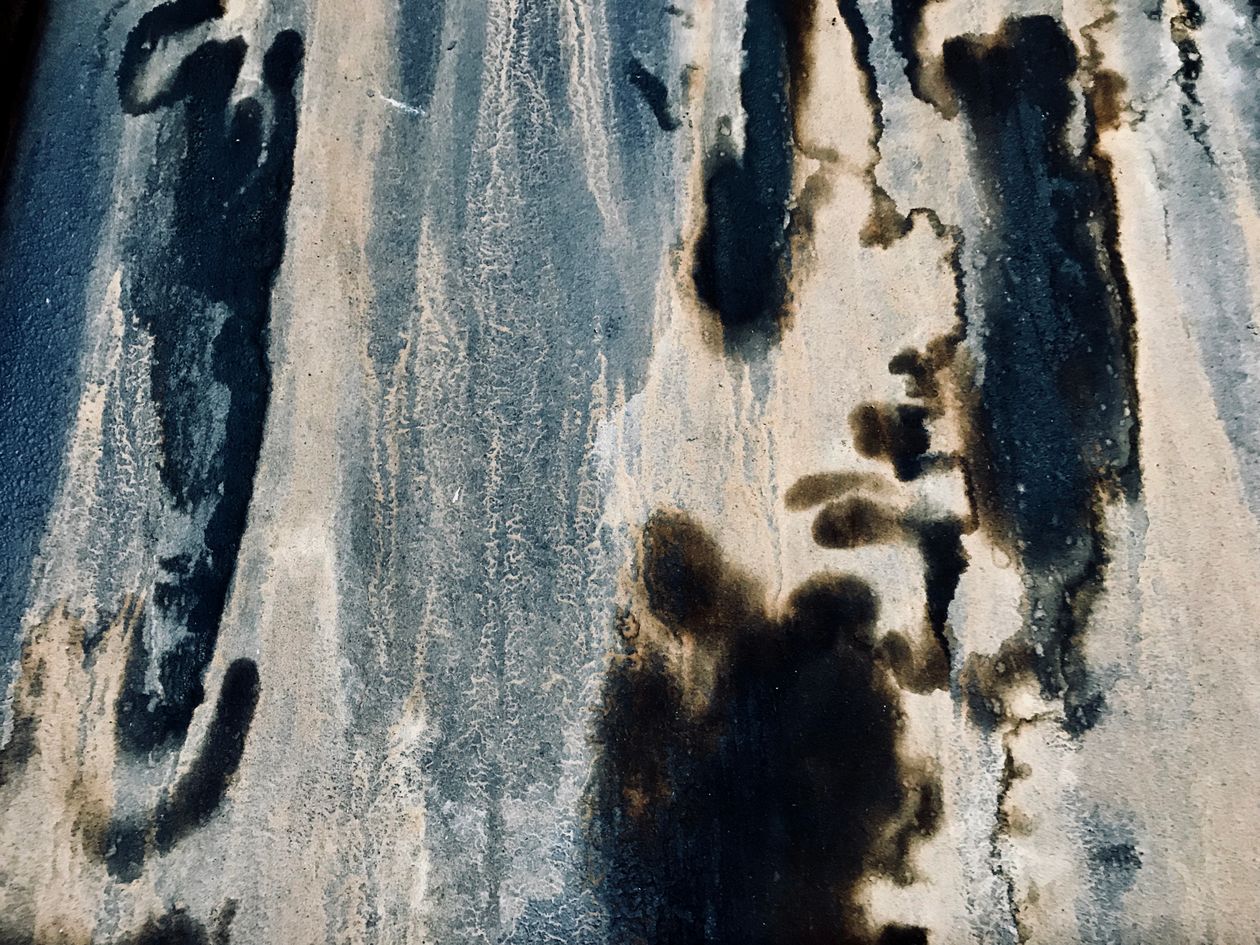
Check the other side of the shower wall, in a hallway, bedroom, or closet. Paint that bubbles, peels, or feels damp, or baseboards that are swelling, point to moisture moving through the wall.
7. Caulk that keeps failing or turning black
Caulk at the tub line should last for years. If yours keeps cracking, pulling away, or turning black no matter how often you replace it, the tub or wall may be moving, or water is already sitting behind it.
Why you shouldn't wait
Water damage doesn't stay put. The EPA advises drying water-damaged materials within 24 to 48 hours to prevent mold growth (EPA guide to mold and moisture). A slow leak behind a shower wall never dries out. It gets wet again every day.
What starts as a few cracked grout lines can turn into rotted subfloor, damaged joists, and mold in the wall cavity. The longer it goes, the more of the structure has to be repaired before a new shower can go in.
Why regrouting or a liner usually isn't the fix
New grout or caulk can seal the surface, but it does nothing about the wet, moldy materials already behind it. The same goes for a liner or insert installed over the old tub. It can trap water against the original surface and hide the problem until it shows up in your floor or ceiling.
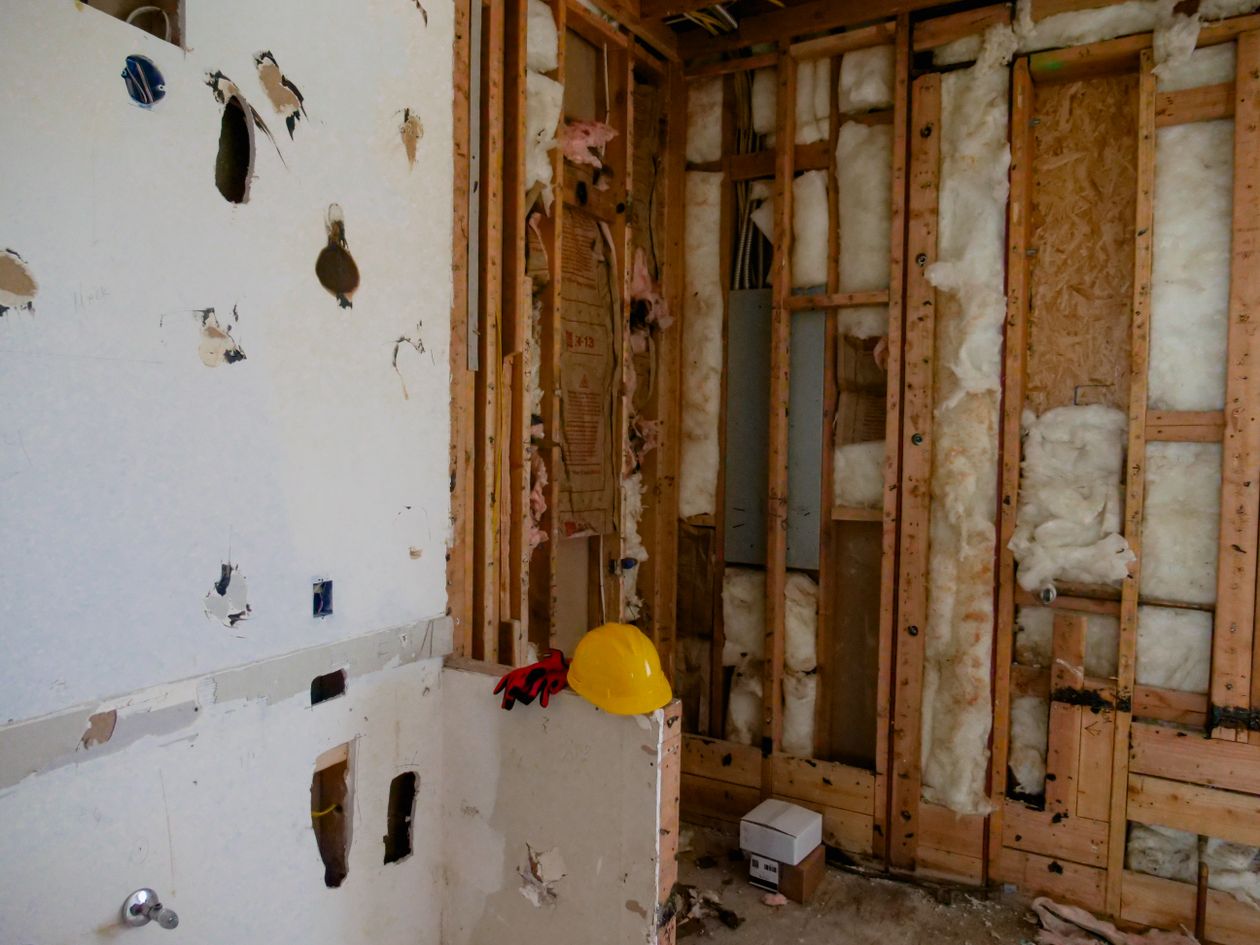
The only way to know what is behind the wall is to open it up. That is why we take the old unit all the way out on every job.
How we handle hidden damage
We deal with it in two steps, so there are no surprises:
- At your consultation. Every free estimate includes an on-site inspection. We check the floor around the tub, the walls, and the area below the bathroom for signs of moisture. If we see likely damage, we tell you up front and build it into your quote.
- During tear-out. Some damage can't be seen until the old tub and walls come out. If we find any, we show you, explain the repair, and get your approval before we fix it. Then we repair the subfloor or framing right there so the new shower goes on a solid, dry base.
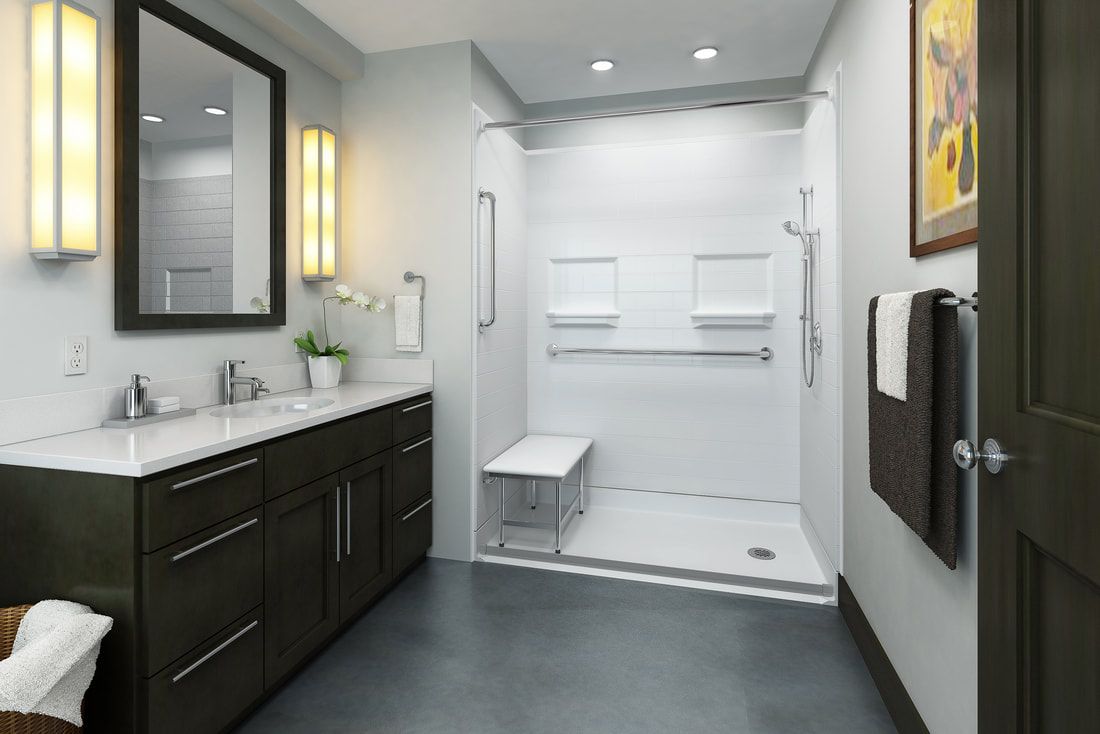
Your new shower walls are seamless and grout-free, so there are no grout lines for water to work through again. You can read more in our post on grout-free shower walls, or see how single-component and multi-layer shower systems compare.
Frequently asked questions
How do I know if my shower is leaking behind the wall?
The most common signs are cracked or missing grout, loose tiles, a soft floor next to the tub, a stain on the ceiling below, a musty smell, and peeling paint on the other side of the shower wall.
Can cracked grout cause water damage?
Yes. Cracked grout lets water into the wall behind the tile every time you shower. Over time that can lead to mold, rotted backer board, and damaged subfloor.
Why is the floor soft next to my bathtub?
A soft or spongy floor next to the tub usually means water has been soaking into the subfloor for a long time. It should be inspected before the damage spreads to the floor joists.
Will regrouting fix a leaking shower?
Regrouting seals the surface, but it doesn't fix wet or moldy materials already behind the wall. If there are signs of damage, the wall needs to be opened up and inspected.
How common is hidden water damage behind old showers?
In our experience across Carbon, Monroe, and Northampton counties, about 1 in 4 older tubs and showers we remove have some hidden water damage.
Do you check for water damage during the estimate?
Yes. Every free estimate from 1st Addition Remodeling includes an on-site inspection for moisture and damage, so any likely repairs are in your quote up front.
Seeing any of these signs?
Don't wait for the stain on the ceiling. Schedule a free estimate with 1st Addition Remodeling. It includes an on-site moisture and damage check, so you'll know exactly what is going on behind your shower walls and what it will take to fix it.
Call 570-216-8231 or request your free estimate online. We serve homeowners throughout Carbon, Monroe, and Northampton counties.