
Bath Liner vs. Full Shower Replacement: What's Hiding Under Your Old Tub?
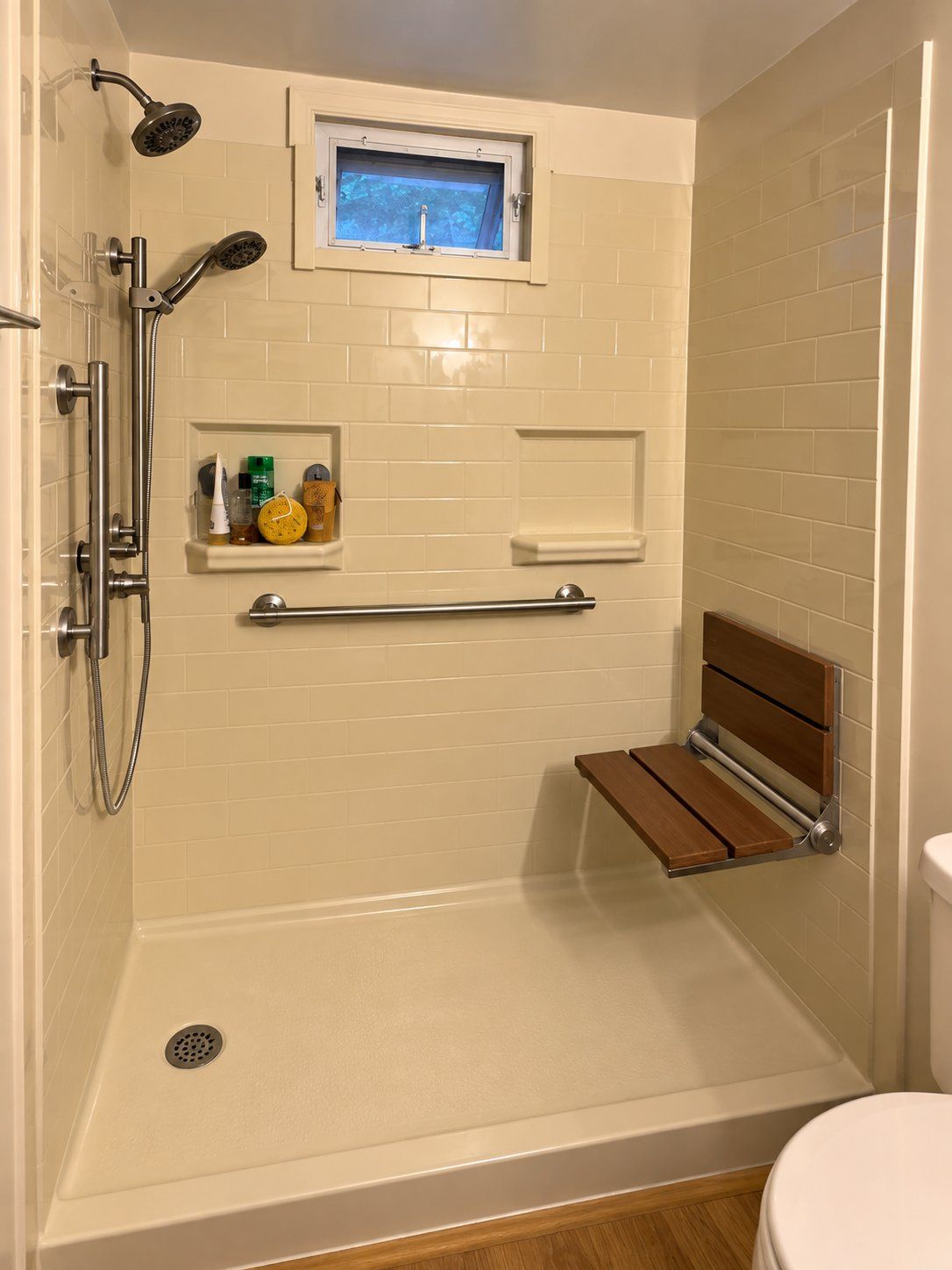
If your tub or shower is worn out, you have probably seen the ads: a new bath "installed right over your old one." No demolition, no mess, done fast. It sounds like the easy choice.
Here is what those ads don't show you: what is underneath. We replace tubs and showers across Carbon, Monroe, and Northampton counties, and we regularly tear out old liners and inserts. What we find behind them is the reason we take every old unit all the way out.
What is a bath liner?
A bath liner (sometimes called an insert or overlay) is a thin shell molded to fit over your existing tub and walls. It is glued and caulked in place on top of the old surface. The original tub, the old walls, and anything wrong with them stay right where they are.
Why homeowners consider a liner
Most people we talk to are drawn to liners for three reasons:
- Price. They assume covering the old tub is always the cheaper option.
- Speed. They assume no demolition means it is faster and less disruptive.
- Marketing. Big national brands advertise heavily, so it is the first option people hear about.
Those are fair concerns. But the tradeoff is bigger than most people realize.
What we find when we pull out an old liner
When we remove a liner or insert, these are the problems we see most often:
- Mold and mildew. Water that works its way behind the liner has nowhere to go. It sits against the old tub and walls, and mold grows in the dark gap between them.
- The original damage, still there. Cracked tubs, rotting walls, and soft subfloor do not go away when you cover them. They keep getting worse, out of sight.
- Failed adhesive and caulk. Liners rely on glue and caulk to stay sealed. Once the adhesive lets go or a seam opens, water gets in every time you shower.
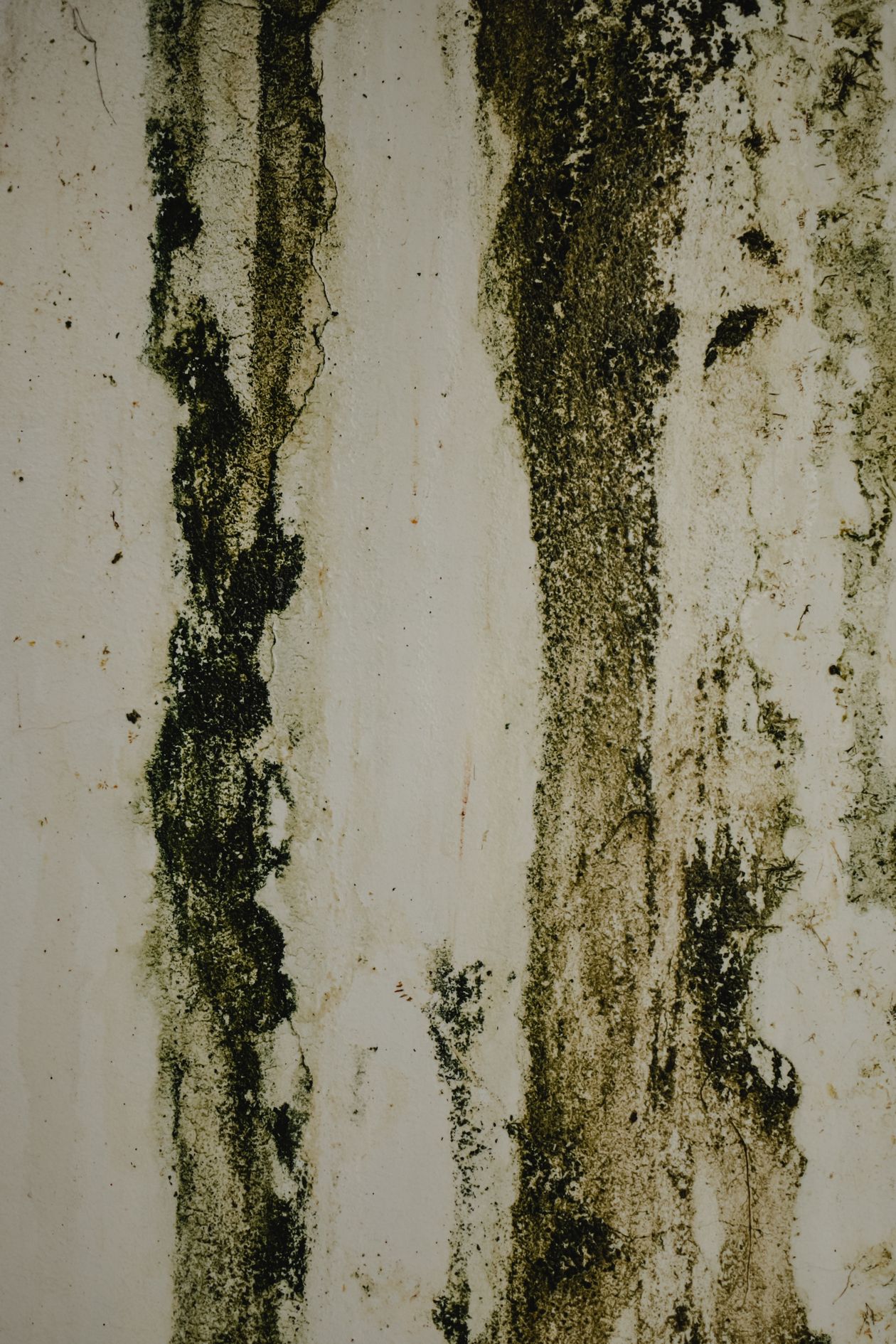
The core problem is simple: you can't fix what you can't see. A liner covers the surface, so nobody ever checks what is happening behind it. On about 1 in 4 older tubs and showers we remove, we find hidden water damage that needs to be repaired.
If you are already seeing warning signs like cracked grout, a soft floor, or a stain on the ceiling below, read our post on signs your shower is leaking behind the wall before you cover anything up.
What full replacement actually means
With a full replacement, the old tub or shower and the surrounding walls come out completely. That gives us a clear look at the framing, subfloor, and plumbing before anything new goes in.
- Inspect at your consultation. Every free estimate includes an on-site check for moisture and damage, so likely repairs are in your quote up front.
- Remove everything. The old unit and walls come out down to the studs and subfloor.
- Repair what we find. If there is damage, we show you, get your approval, and fix it so the new shower sits on a solid, dry base.
- Install a new, grout-free system. Seamless walls with no grout lines for water to work through.
Isn't full replacement slower?
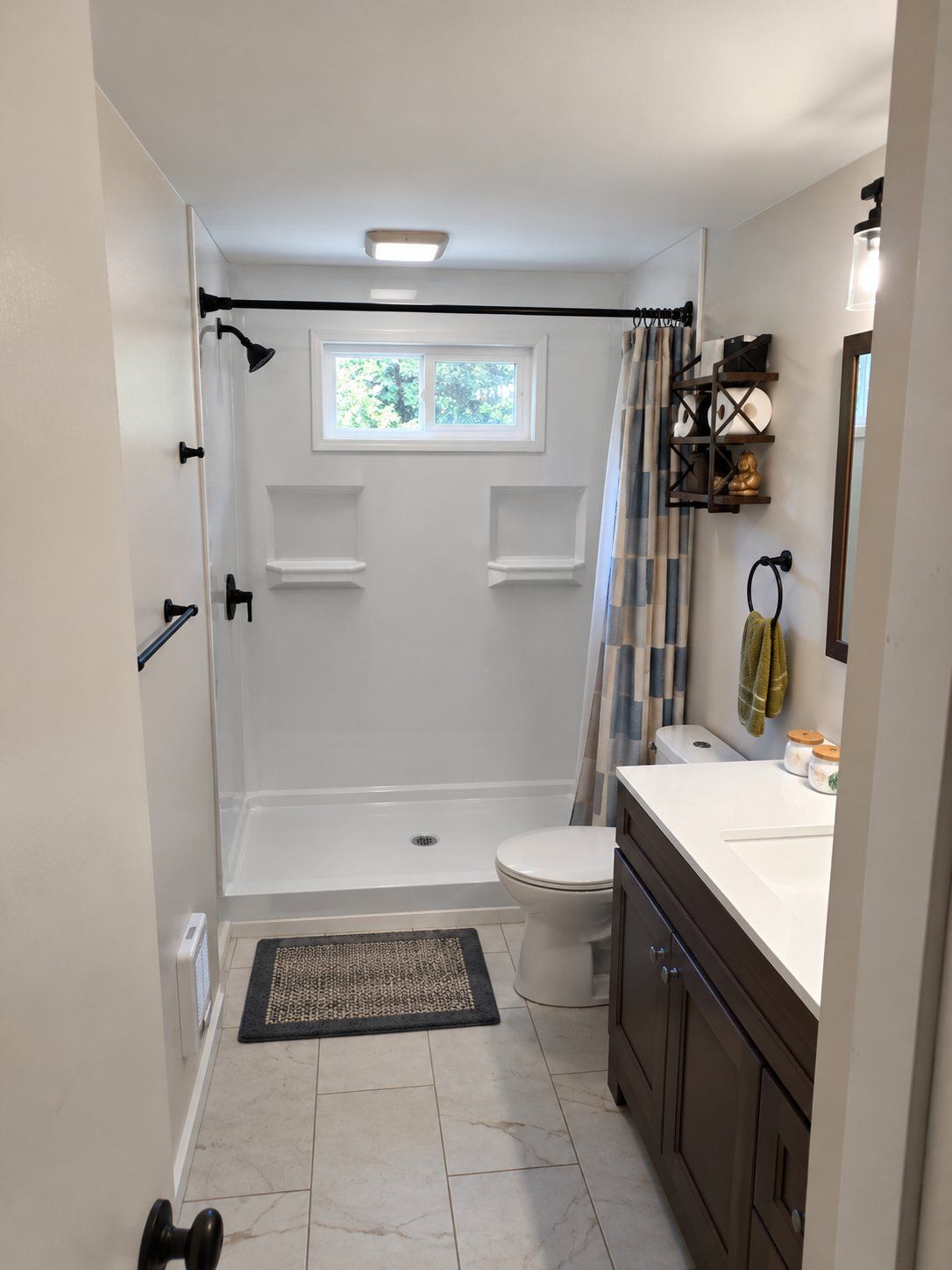
Not with our process. Most of our tub and shower replacements are finished in a day or two. You get the full tear-out and inspection without weeks of construction, so speed is not the tradeoff people expect.
Isn't full replacement more expensive?
Full replacement is often closer in price to a liner than most homeowners expect, especially once you compare what you actually get. A liner leaves the old tub, old walls, and any hidden damage in place. A replacement gives you a new system on a structure you know is sound.
Every bathroom is different, so the only way to get a real number is an in-home estimate. For a look at what drives the cost, see our guide to tub to shower conversion costs in Carbon and Monroe County.
The bottom line
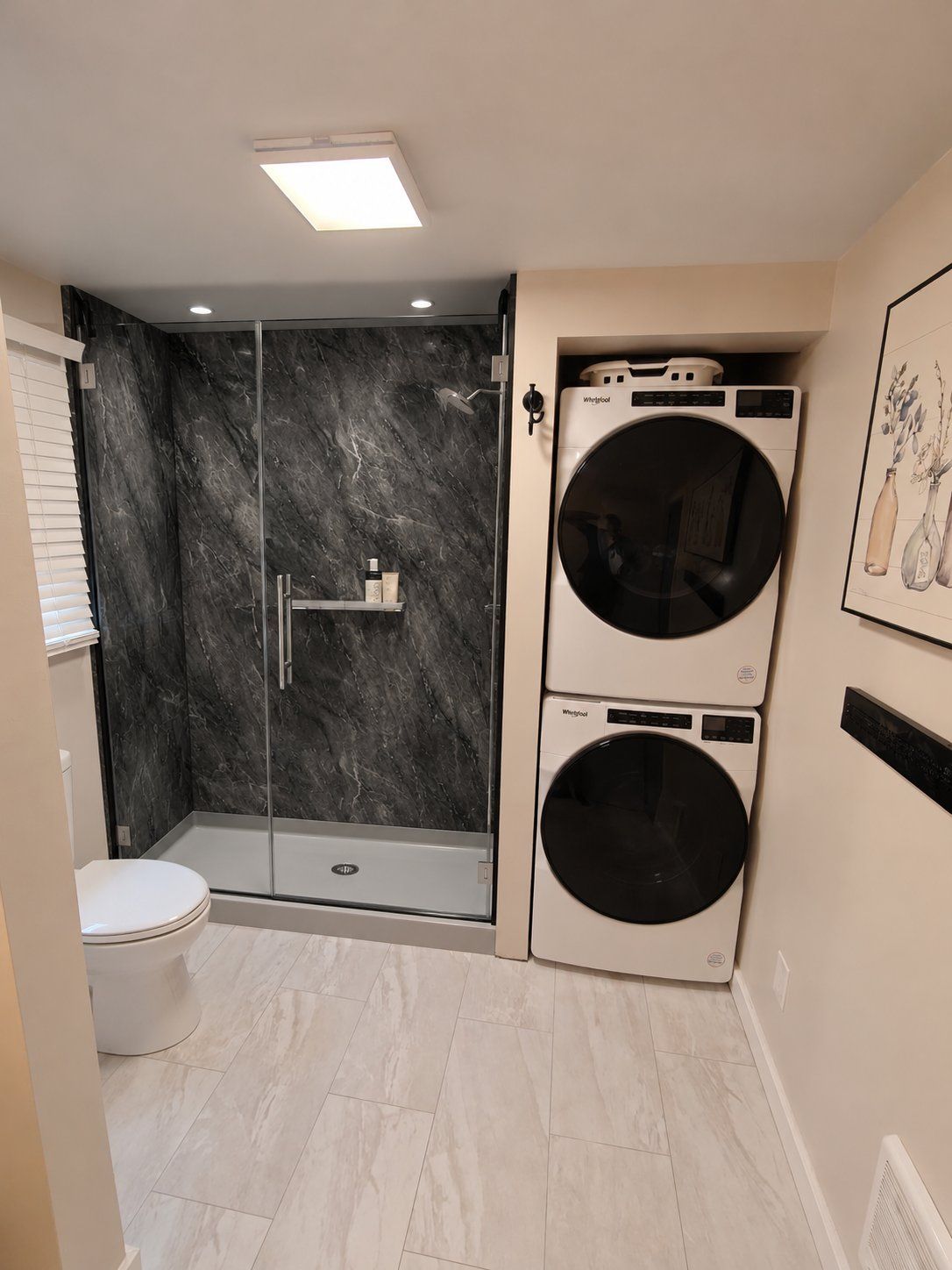
A liner hides the problem. A full replacement finds it and fixes it. If your tub or shower is old enough to replace, it is old enough to check what is behind it.
You can learn more about the system we install in BestBath shower systems explained.
Frequently asked questions
Can mold grow under a bathtub liner?
Yes. If water gets behind a liner through failed caulk, an open seam, or loose adhesive, it gets trapped against the old tub and walls. That dark, damp gap is where mold and mildew grow.
Does a bath liner fix water damage?
No. A liner covers the surface but leaves the original tub, walls, and subfloor in place. Any existing damage stays hidden and can keep getting worse.
Is a full shower replacement much more expensive than a liner?
Often it is closer in price than people expect. The best way to compare is an in-home estimate based on your actual bathroom.
How long does a full tub or shower replacement take?
Most of our replacements are completed in a day or two, including removing the old unit and inspecting what is behind it.
Do you check for hidden damage during the estimate?
Yes. Every free estimate from 1st Addition Remodeling includes an on-site inspection for moisture and damage, so likely repairs are in your quote up front.
Thinking about covering up your old tub?
Find out what is underneath first. Schedule a free estimate with 1st Addition Remodeling. It includes an on-site moisture and damage check, and most replacements are done in a day or two.
Call 570-216-8231 or request your free estimate online. We serve homeowners throughout Carbon, Monroe, and Northampton counties.